
K-12 Schools
For many military families, finding a school that meets their child’s needs can be challenging. Fortunately, Oʻahu provides a wide range of educational options and resources to help families find the best match.
PUBLIC SCHOOLS
All public schools are state-run, organized into seven districts with regional complex areas. Hawai‘i does not have DoD schools; all children ages 5–18 must attend school unless homeschooled. Schools follow national guidelines administered by the DOE. The statewide system is divided into seven districts, with each district subdivided into complex areas. By law, students who turn five on or before July 31 must start kindergarten that school year (private schools may set their own cutoff). Middle and high schools must provide 990 instructional hours annually (about 5.5 hours per day). Resources on district information, enrollment requirements, liaison contacts, and more—are available on the Hawai‘i DOE website under Parents & Students → Military Families.

CHARTER SCHOOLS
For the 2024–25 school year, Hawai‘i’s 38 charter schools enroll 13,070 students statewide—about 7.9% of public school enrollment—including 14 located on O‘ahu. These tuition-free, open-enrollment schools are independently managed by governing boards and funded on a per-pupil basis, offering innovative and flexible approaches to learning. For more information, visit CharterCommission.Hawaii.gov or call (808) 586-3775.
PRIVATE SCHOOLS
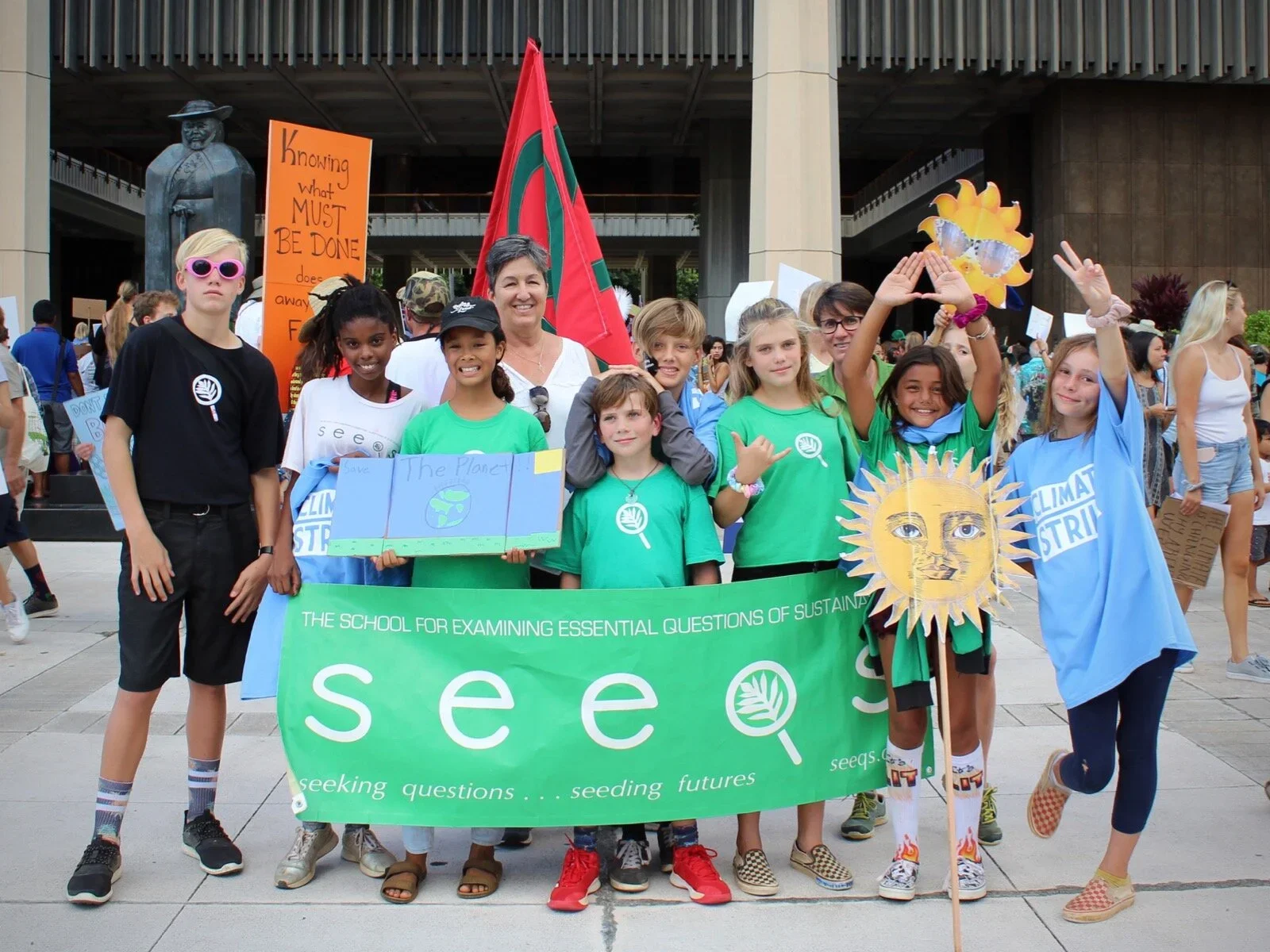
The Hawaii Association of Independent Schools (HAIS) serves some 120–plus private and/or independent member schools with nearly 33,540 students–one of the highest percentages in the United States. Tuitions run from $1,000-20,000 annually, with many schools requiring tests and interviews prior to admission.

HOMESCHOOLING
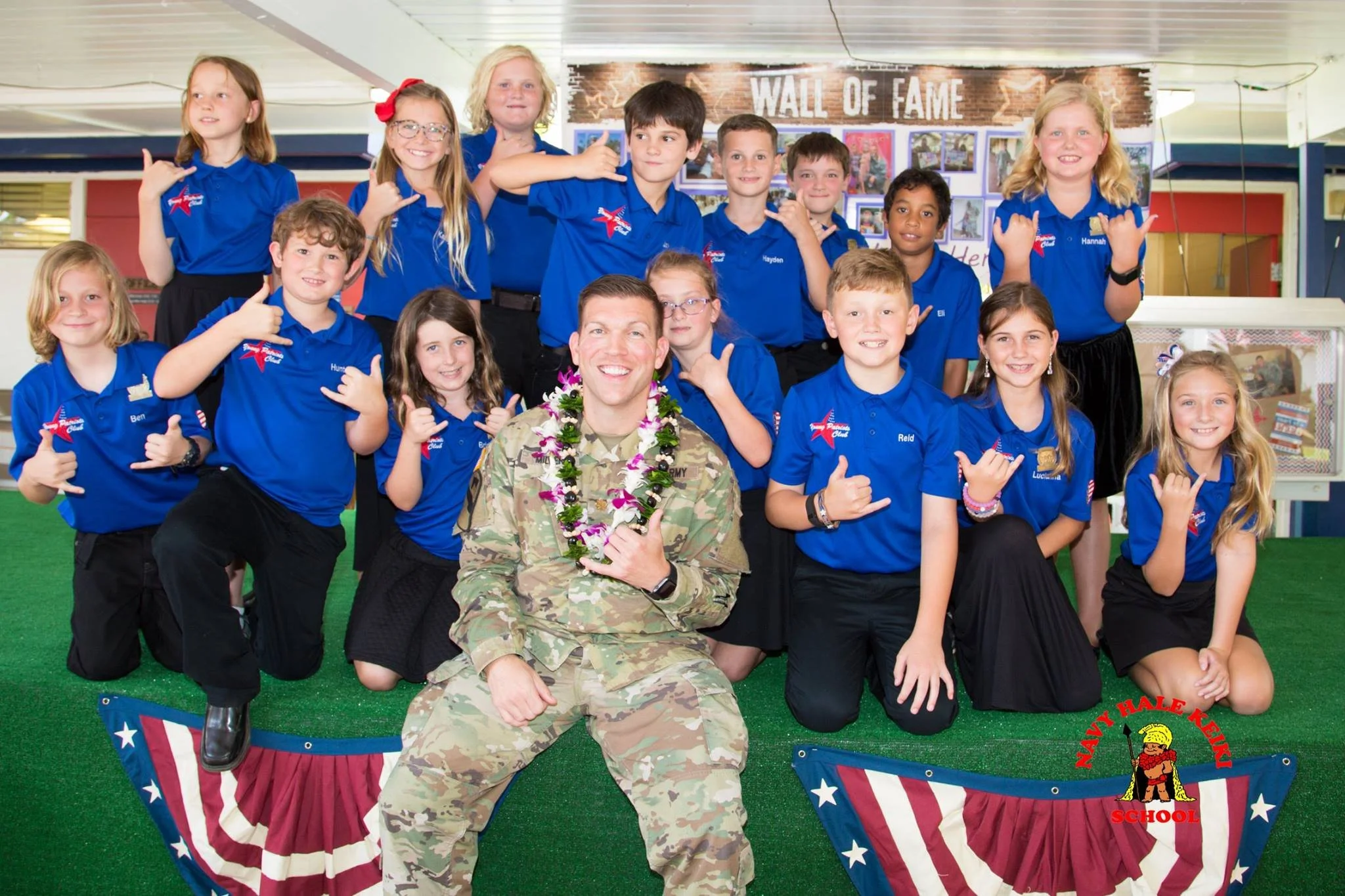
Hawaii’s DOE recognizes the growing homeschool option as an alternative to compulsory school attendance. You can download a document defining legal guidelines from the DOE website. Military families can take advantage of classes and resources available to all homeschoolers on Oahu, as well as MWR programs such as homeschool PE, youth sports and art offered especially for Hawaii’s military homeschooling population.
PRESCHOOL
Most Hawai‘i preschools are privately run and set their own age requirements. Programs range from part-day to full-day, with a strong emphasis on early learning and readiness. Families should check directly with each school for enrollment deadlines, tuition, and curriculum details. While public kindergarten is mandatory at age 5, more than 97% of children in Hawai‘i already attend preschool or kindergarten before entering elementary school.
REGISTRATION & REQUIREMENTS
Your child’s school depends on where you live. The DOE website section features an “Enrollment” tab with “Find Your School” tab. Or contact your service’s School Liaison Officer. If not seeking an exception, you must register your child in the school closest to your temporary quarters. The Hawaii School Attendance Law stipulates that all students meet certain health requirements before attending any school (public or private) in the state for the first time. These requirements include:
THESE REQUIREMENTS INCLUDE:
• Birth certificate or proof of age
• Proof of current address
• Document from last school attended
• Physical examination completed within one year of school entry
• Up-to-date immunization record
• TB clearance (written proof of a negative skin test, Mantoux/PPD or chest x-ray performed within the U.S. during the last year)
• Valid photo ID of parent/guardian On the Hawaii Public School website, check “Enrolling For School” under the “Parents & Students” tab for full details.


INSIDER’S TIP
Military members receive a monthly subsidy to help offset child care costs. To determine eligibility, contact Child Care Aware’s NACCRRA Military Fee Assistance department at 800-424-2246. Or visit ChildCareAware.org and click Military Families.
TEN TIPS FOR SCREENING
A PRIVATE SCHOOL
• Consider commute time
• Visit each school you are considering
• Show your interest at interviews
• Be honest about tuition concerns
• Ask about pre- and post-school programs
• Inquire about extracurricular activities
• Check on classroom sizes
• Ask about religious affiliation
• Meet deadlines
• Remain positive!